Why Electrical Safety Should Be a Priority
Electrical safety is one of the most critical aspects of maintaining a secure, comfortable home. Faulty wiring, overloaded circuits, and neglected maintenance are responsible for countless electrical accidents each year, ranging from fires to life-threatening shocks. Fortunately, following the proper safety practices can significantly reduce these risks and protect your family and property.
This guide will explore essential electrical safety tips for homeowners, covering inspections, proper grounding, appliance care, and more. Whether you’re a seasoned DIY enthusiast or a first-time homeowner, these insights will help you take charge of your home’s electrical health.
Regular Electrical Inspections
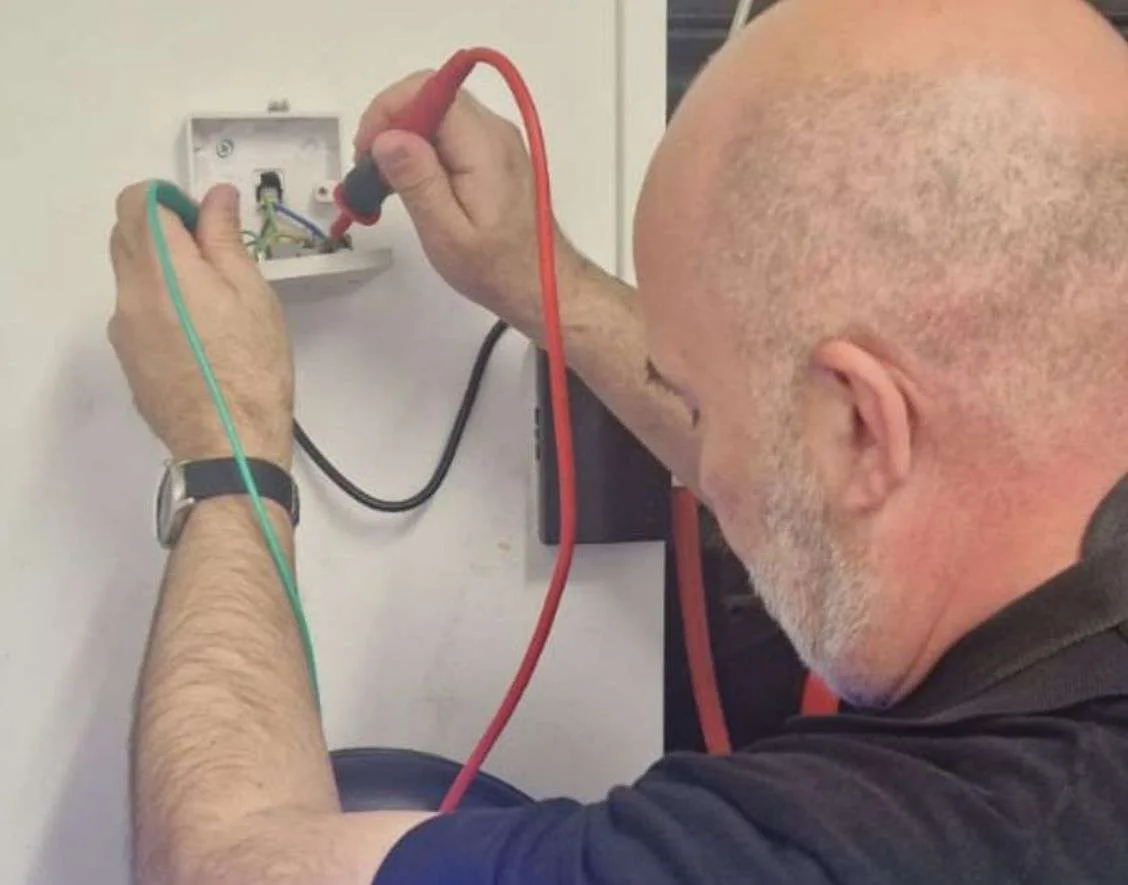
One of the most effective ways to ensure your home’s electrical safety is through regular inspections by a qualified electrician. These professionals can identify hidden issues such as worn-out wiring, overloaded circuits, or poor grounding systems before they escalate into major problems.
If your home hasn’t been inspected in over 10 years (or more frequently for older properties), now is the time to schedule one. Professional inspections are not just about ticking boxes; they ensure your electrical system meets modern safety standards while addressing potential hazards.
For homeowners in London, experts like Fahri Electricians London provide comprehensive Electrical Testing & Inspections, giving you peace of mind.
Understanding Circuit Breakers and Fuse Boxes
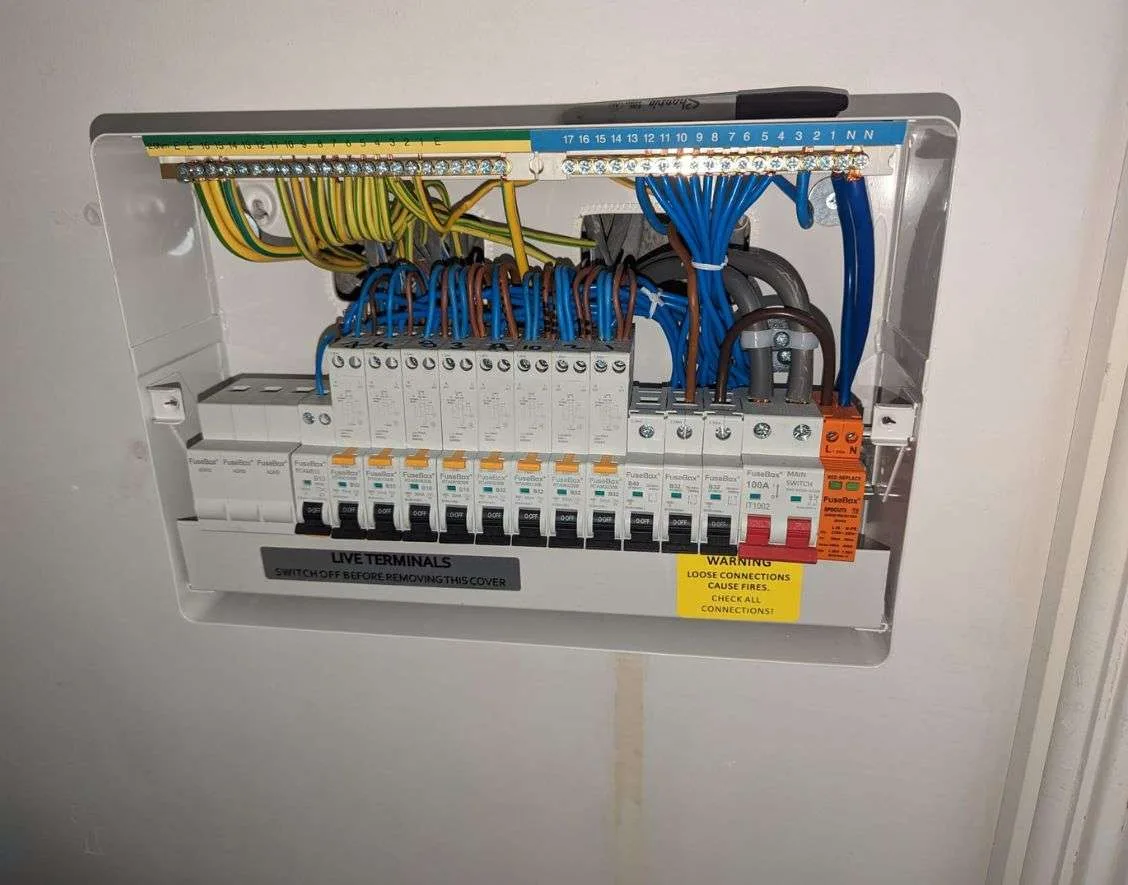
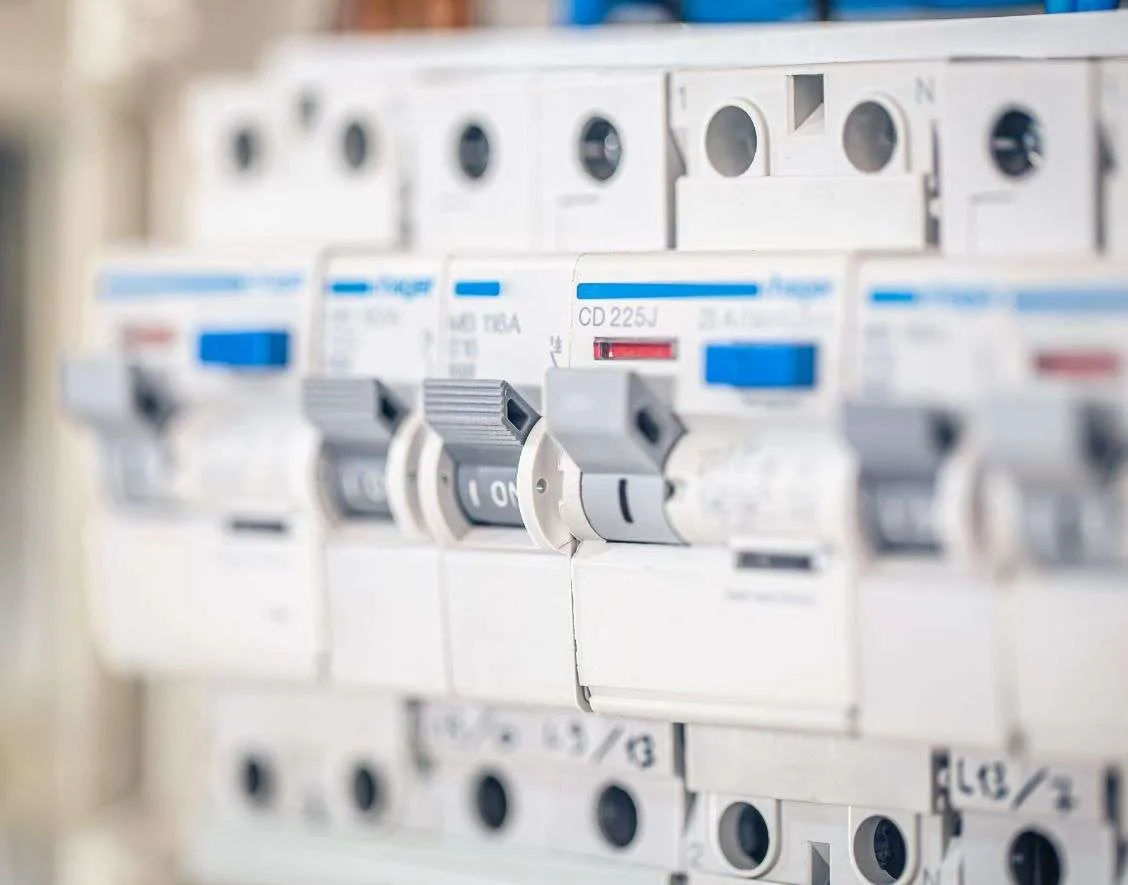
Circuit breakers and fuse boxes are critical components of your home’s electrical system and act as the first lines of defence against electrical hazards. They automatically disconnect power when faults, short circuits, or overloads occur, helping protect you from the risks of electrical fires, equipment damage, and even electrocution. These systems are designed to safeguard your home and family by quickly responding to electrical issues.
To ensure your home remains safe and compliant:
Why Modern Consumer Units Matter
If your home still relies on an outdated fuse box, upgrading to a modern consumer unit is highly recommended. These newer units offer enhanced protection, often featuring residual current devices (RCDs) that detect and shut off power in case of a fault or ground leakage. This upgrade increases safety and ensures compliance with the latest UK electrical regulations, providing peace of mind and long-term reliability. Regular maintenance and periodic inspections by a qualified electrician are critical to keeping your electrical system in top working order.
Avoiding Overloaded Circuits
Overloaded circuits are a common and dangerous issue, often leading to electrical fires or tripped breakers. This happens when too much power is drawn from a single circuit, especially when high-demand appliances like heaters, kettles, and washing machines are used simultaneously on the same socket or extension lead. Overloading can damage your appliances, strain your electrical system, and put your safety at risk.
Taking these precautions can protect your home, appliances, and family from the risks of circuit overload, ensuring your electrical system runs safely and efficiently.
Risks of DIY Electrical Work
DIY projects can be gratifying, but electrical work should never be one of them. Working with electricity without the proper training and expertise can result in serious safety hazards, such as electrical shocks, fires, or long-term damage to your home’s electrical system. It can also lead to non-compliance with building codes and regulations, creating problems if you ever sell your home or face an inspection.
Additionally, attempting electrical work alone could void your home insurance, leaving you financially vulnerable to accidents or damages. It’s crucial to be cautious and aware of these potential risks.
To keep your home and loved ones safe, always rely on a licensed and certified electrician for tasks such as:
Professional electricians have the knowledge, tools, and experience to ensure the job is done safely and correctly, giving you the peace of mind that your home is in good hands. When it comes to electrical work, remember that safety is always worth the investment.
Proper Extension Cord Usage
Extension cords are a convenient and temporary solution for powering electrical devices. Still, they are not designed for long-term use. Continuous reliance on them can be a sign that your home doesn’t have enough outlets to meet your electrical needs. In such cases, it’s essential to consider having a professional electrician install additional sockets to ensure safety and efficiency.
If you frequently use extension cords, upgrading your home’s electrical system is a good idea. Professional domestic electricians in London can install additional sockets safely and efficiently, ensuring your household is equipped to handle your power needs while minimising risks. Investing in more outlets not only improves convenience but also enhances the safety of your home.
Importance of Proper Grounding and Earthing
Proper grounding, or earthing, is a crucial safety measure to prevent electrical shocks and protect people and appliances. It safely directs any stray electrical currents into the ground, reducing the risk of electrocution, fires, or damage to your devices. Without effective grounding, homes become vulnerable to serious hazards, especially during power surges, lightning strikes, or electrical faults, which can cause significant harm or damage.
How do you know if your home’s grounding is adequate? Look for signs such as frequent electrical shocks, tripping circuit breakers, or flickering lights. To ensure your home’s safety, it’s important to schedule regular inspections with a qualified electrician. They can assess your earthing system, identify faults or outdated components, and recommend essential upgrades to keep your home and family safe. Investing in proper grounding isn’t just about compliance but peace of mind.
Warning Signs of Faulty Wiring
Faulty wiring is a hidden danger that can cause devastating electrical fires if left unchecked. It’s important to recognise and address potential warning signs early. Here are some red flags to watch for:
Appliance Safety Best Practices
Electrical appliances make life easier but can be dangerous if not maintained or used correctly. Prevent accidents and ensure safer appliance use by following these tips:
If unsure about an appliance’s condition or safety, consult a qualified electrician or professional technician to address potential issues. Taking these precautions can help protect your home and loved ones.
Seasonal Electrical Safety
Different seasons bring varying electrical safety challenges, and staying aware of potential hazards throughout the year is important. Outdoor electrical safety is especially crucial for homeowners with garden lighting, outdoor outlets, or other electrical installations.
Outdoor Electrical Safety Tips
To ensure safety:
These simple precautions can help you enjoy outdoor spaces safely, regardless of season.
Winter Electrical Safety Tips
Winter significantly increases electricity demand by using heaters, festive lights, and electric blankets to keep us warm and cosy. To stay safe during this season, it’s essential to take precautions:
Preparing for Electrical Emergencies
Swift action is essential during an electrical emergency to prevent serious damage or potential hazards. Start by familiarising yourself with the location of your consumer unit, also known as the fuse box, so you can quickly cut the power if necessary. This simple step can help you avoid further damage or reduce the risk of injury.
For urgent issues such as live electrical faults, exposed wires, or signs of overheating, it’s important not to try to fix the problem yourself, as this could be dangerous. Instead, contact a professional immediately. Reliable emergency electricians in London, like Fahri Electricians, are available 24/7 to handle critical situations safely and efficiently, ensuring your home or business is protected. Don’t take risks—safety always comes first.
Upgrading Outdated Electrical Installations
Are you still relying on wiring or electrical systems from decades ago? Older installations often struggle to keep up with the demands of modern appliances, risking potential overloads and inefficiencies. They may also fail to meet UK safety regulations, leaving your property at greater risk of electrical faults or hazards. Upgrading to newer systems enhances safety, ensures compliance with the latest standards, and improves energy efficiency, reducing electricity bills over time. It’s a wise investment for both peace of mind and long-term savings.
Signs Your Home Needs an Electrical Upgrade
Smoke Alarms and Carbon Monoxide Detectors
Smoke alarms and carbon monoxide detectors are essential, life-saving devices that often go overlooked but play a crucial role in protecting your home and loved ones. To ensure your safety:
Best Practices for Alarm Installation and Maintenance
These devices provide early warnings, giving you and your family critical time to evacuate, especially during electrical fires, gas leaks, or appliance malfunctions. These small steps can make a big difference in ensuring your home remains safe.
Proactive Electrical Safety Protects Your Home
Maintaining electrical safety at home isn’t just a one-time effort—it’s an ongoing responsibility that requires consistent vigilance, regular inspections, and proactive upgrades to keep everything running smoothly and safely. Faulty wiring, outdated systems, or overloaded circuits can pose serious risks, from power outages to potential fire hazards. That’s why it’s crucial to avoid possible issues before they escalate.
If you’re uncertain about your home’s electrical safety or need expert advice, contact Fahri Electricians London. Our certified electricians specialise in various services, including detailed safety inspections, system upgrades, and emergency repairs. With years of experience and a commitment to excellence, we ensure your home remains safe, efficient, and fully compliant with regulations. Don’t wait for an issue to arise—contact us today for reliable support you can trust.
Tags:
Together We Rise: A Campaign for Everyone
some related posts
Electrical Services Across London
Fahri Electricians London provides electrical installation, repair, maintenance, testing, emergency and lighting services across Greater London.
From our base in Blackheath, South East London, we work with homeowners, landlords, businesses and property professionals across the capital on both planned electrical work and unexpected faults.
Explore our Greater London service areas for more information about the boroughs and local communities we cover.