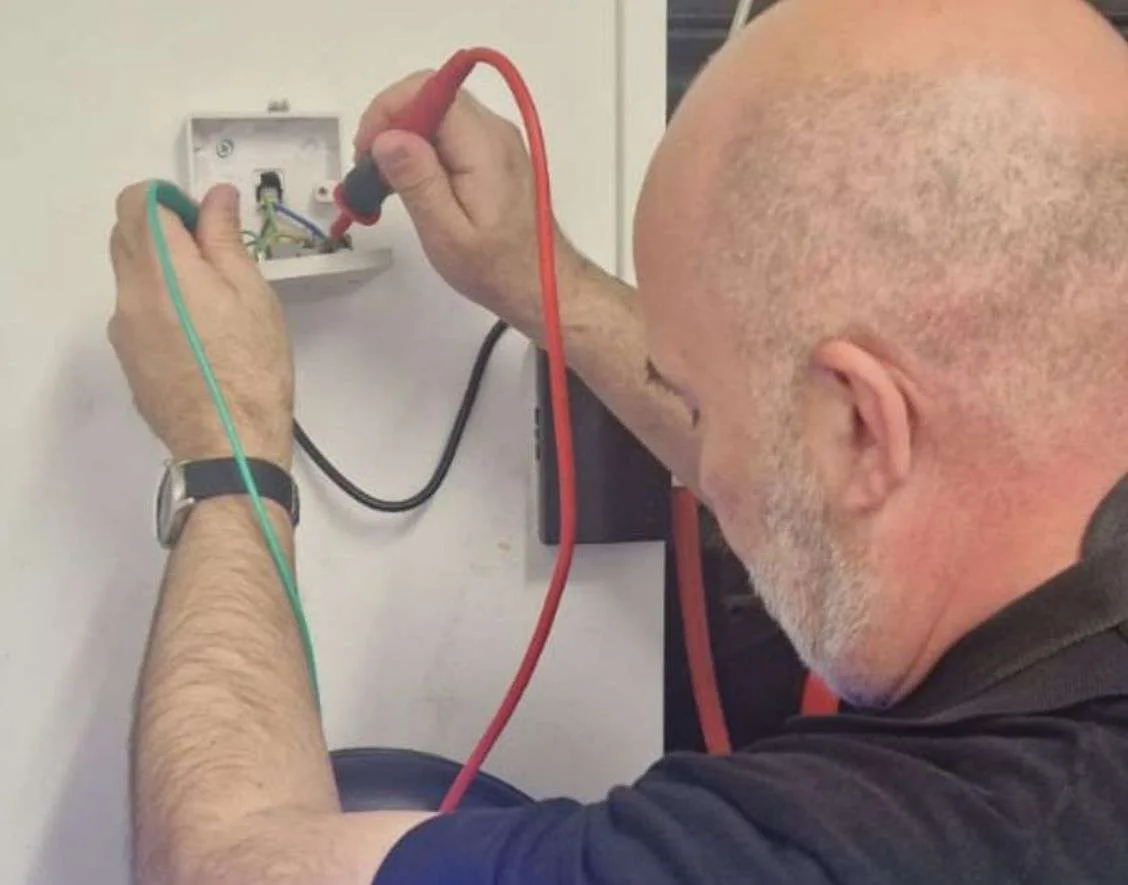
Buying a property is a major commitment, but the condition of the electrical installation can easily be overlooked. If there is no recent electrical report, arranging an electrical inspection before buying a house can help uncover defects, deterioration or safety concerns before you become committed to the purchase.
A standard home survey does not provide the same detailed assessment of the fixed electrical installation as an electrical inspection. This guide explains when an inspection may be worthwhile, what an Electrical Installation Condition Report (EICR) can tell you and what to consider if problems are found.
Should You Get the Electrics Checked Before Buying a House?
A home survey can tell you a great deal about the condition of a property, but it does not normally provide a detailed assessment of the fixed electrical installation. If there is no recent electrical report available, arranging a separate electrical inspection can give you a much clearer picture of the wiring, consumer unit, circuits and other fixed electrical components.
This can be particularly useful when buying an older property, where the installation has been altered over the years, or where there is little paperwork available for previous electrical work. Even a property that looks well maintained may have issues that are not obvious during a viewing.
Electrical Safety First recommends checking whether a recent EICR is available when buying a home and arranging one with a registered electrician where there is no report.
An inspection can help identify defects, deterioration or areas requiring further investigation. It may also give you a better idea of whether electrical work needs to be budgeted for after you move in.
The electrician is not there to tell you whether you should buy the property. Instead, the inspection gives you additional technical information that can form part of your overall decision.
What Electrical Inspection Should a Homebuyer Arrange?
For most buyers who want a detailed assessment of the fixed electrical installation, the relevant inspection is an Electrical Installation Condition Report (EICR).
An EICR assesses the condition of an existing electrical installation against current electrical safety standards. It can identify damage, deterioration, defects and conditions that may present a safety risk.
The inspection can cover the consumer unit, fixed wiring, circuits, earthing and bonding arrangements, sockets, switches and other parts of the permanently installed electrical system.
If you are buying a property and the seller cannot provide a recent electrical report, an EICR can give you current information about the condition of the installation rather than relying solely on its appearance or history.
What Does an Electrical Inspection Check?
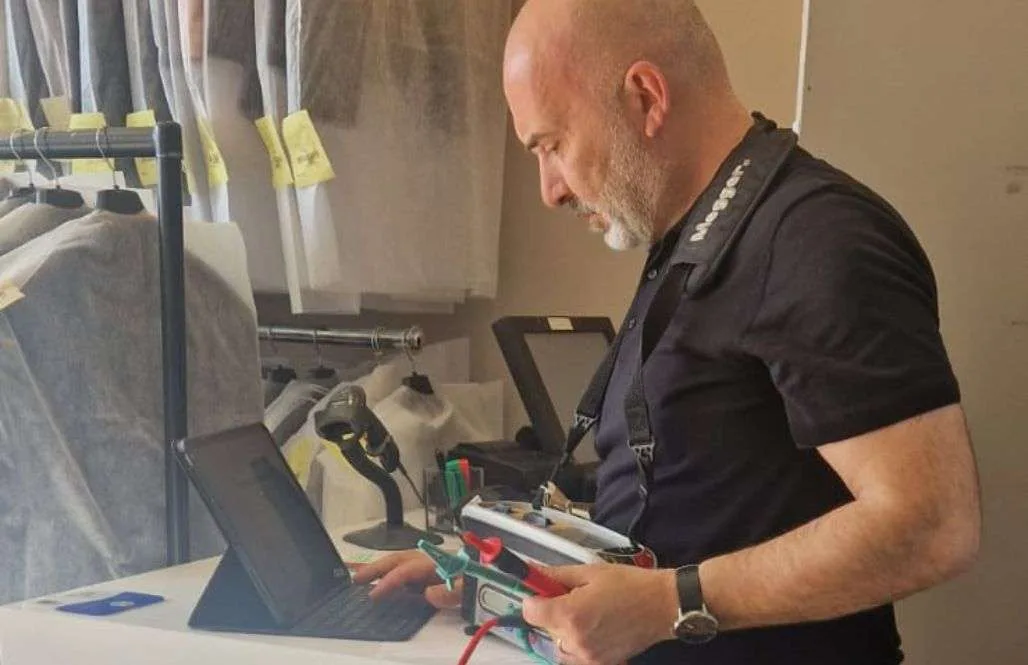
A homebuyer electrical inspection looks at the condition and safety of the fixed electrical installation rather than simply checking whether the lights and sockets appear to work.
The precise scope depends on the property and the installation, but an EICR normally considers the main electrical systems and whether there are defects, deterioration or signs of unsafe work.
Consumer Unit and Protective Devices
The consumer unit distributes electricity around the property and contains protective devices for the electrical circuits.
The electrician will consider its general condition, labelling and suitability, together with protective devices such as circuit breakers and RCDs where fitted.
An older consumer unit does not automatically mean a property is unsafe or requires replacement. Its condition and the protection provided need to be assessed as part of the installation as a whole.
Fixed Wiring and Circuits
The inspection considers the fixed wiring supplying lighting, sockets and permanently connected electrical equipment.
Testing can identify problems that may not be visible during a property viewing, including deterioration, incorrect connections and faults within circuits.
Evidence of poorly executed alterations or additions can also warrant further investigation.
Sockets, Switches and Electrical Accessories
Accessible sockets, switches and other electrical accessories may be checked for signs of damage, overheating, deterioration or poor connections.
Scorch marks, cracking or damaged accessories can provide visible warning signs, but not every electrical defect can be identified simply by looking at it.
Earthing and Bonding
Effective earthing and bonding are important parts of electrical safety.
The inspection assesses the arrangements intended to protect people if an electrical fault occurs. Deficiencies can be particularly important when assessing an older or substantially altered installation.
Signs of Deterioration or Unsafe Alterations
Properties can accumulate electrical alterations over many years.
Extensions, loft conversions, new kitchens, outbuildings and refurbishments may all have involved electrical work. An inspection can identify signs that parts of the installation have deteriorated or that alterations require further investigation.
This can be particularly useful to a buyer where certificates or other documentation for previous electrical work are unavailable.
What Do C1, C2, C3 and FI Mean on an EICR?
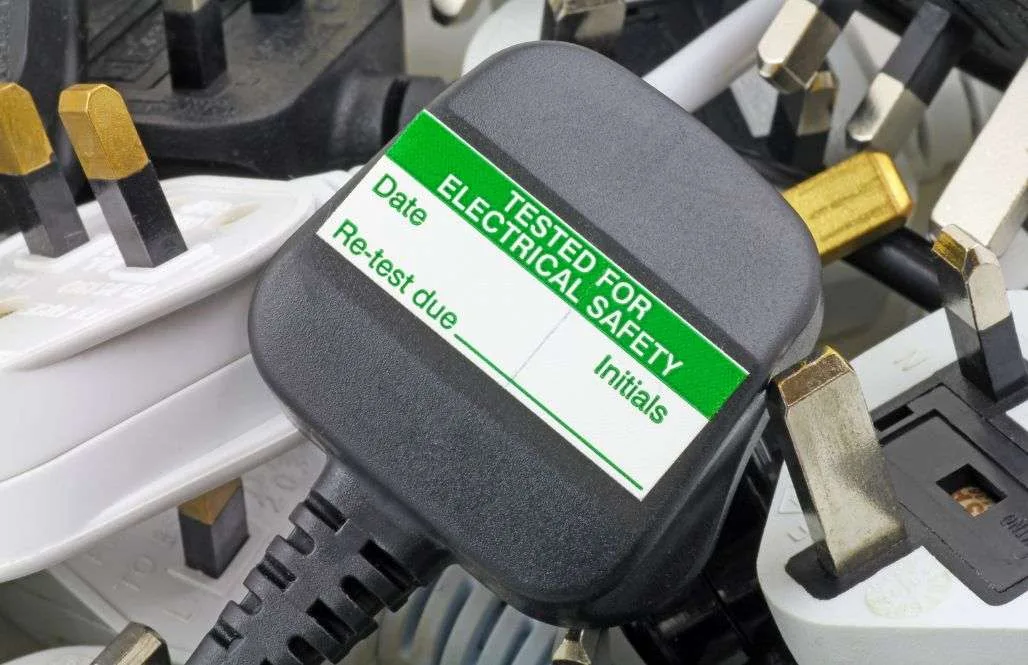
An EICR uses classification codes to indicate the significance of observations found during the inspection. Understanding these codes can help a buyer make sense of the report.
C1 – Danger Present
A C1 observation means danger is present and there is a risk of injury. Immediate remedial action is required.
C2 – Potentially Dangerous
A C2 observation means a defect is considered potentially dangerous and urgent remedial action is required.
C3 – Improvement Recommended
A C3 observation means improvement is recommended.
A C3 observation on its own does not make the EICR unsatisfactory, but it identifies an area where the installation could be improved.
FI – Further Investigation Required
FI means further investigation is required because the inspector has identified something that cannot be fully assessed without additional investigation.
C1 and C2 classifications require remedial action, while FI indicates that further investigation is required without delay. GOV.UK and Electrical Safety First guidance use these recognised EICR classifications.
What Makes an EICR Unsatisfactory?
Where an EICR records C1 or C2 defects, the installation will be assessed as unsatisfactory. FI findings also require further investigation and are treated as requiring action rather than something to ignore.
For a buyer, an unsatisfactory report does not automatically mean that the property should not be purchased. It means you need to understand what has been identified and what work or further investigation may be required.
When Should You Arrange an Electrical Inspection Before Buying a House?
If an electrical inspection forms part of your property checks, it is most useful to arrange it before you become legally committed to the purchase, where access and the transaction timetable allow.
That gives you time to understand the findings, ask questions and obtain quotations for any work that may be needed.
An inspection can be particularly worthwhile where no recent EICR or electrical documentation is available, the installation appears older, significant alterations have been made, previous DIY electrical work is suspected or your surveyor raises concerns.
Access will normally need to be agreed with the seller or estate agent, so it makes sense to raise the request early.
If a recent EICR is available, ask to see the complete report, rather than relying on an assurance that the electrics have previously been checked.
Look at when it was carried out, the overall assessment, any observations and whether remedial work has subsequently been completed.
Can an Electrical Inspection Affect Your Decision to Buy?
An electrical inspection can provide information that affects how you view a property, particularly if it identifies defects, outdated equipment or work requiring further investigation.
The findings may help you understand whether electrical repairs should be budgeted for soon after moving in, whether further investigation is appropriate or whether more extensive electrical work may eventually be required.
You may decide to obtain quotations for recommended work so that you have a clearer idea of potential costs before becoming committed to the purchase.
The electrician’s role is to assess and report on the electrical installation. They are not valuing the property or advising whether you should buy it.
Their findings provide technical evidence that you can consider alongside your survey, legal advice and other information about the property.
Electrical Work You May Need to Budget For
Depending on what is found, work could involve damaged electrical accessories, earthing or bonding improvements, investigation of circuit faults, protective-device upgrades, repairs to sections of wiring or more extensive remedial work.
An older electrical installation does not automatically require rewiring simply because of its age. Electrical Safety First similarly advises that the need for rewiring depends on the condition of the installation rather than age alone.
The important question is what the inspection actually identifies.
What Happens If Problems Are Found?
If an electrical inspection identifies defects, the next step depends on what has been found and how serious it is.
Rather than treating an EICR as a simplistic pass-or-fail certificate, look at the overall outcome together with the individual observations and classification codes.
Ask What Work Is Actually Required
It is often useful to discuss the findings with the electrician rather than trying to interpret the report in isolation.
Some issues may involve straightforward remedial work. Others can require further testing or investigation before the full extent of the problem is known.
If you are considering purchasing the property, you can also ask for an estimate or quotation for the necessary work.
Does an Unsatisfactory EICR Mean the Property Needs Rewiring?
No. An unsatisfactory EICR does not automatically mean that the entire property needs rewiring.
There may be individual circuits, accessories, protective devices or particular parts of the installation requiring attention.
Where widespread deterioration or significant defects are found, more extensive work may be recommended, but that conclusion should be based on the actual condition of the installation rather than its age alone.
What Happens After Remedial Work?
Once electrical work has been completed, the appropriate documentation will depend on the type of work carried out. Further inspection or testing may also be appropriate depending on the original findings.
Keeping the original EICR together with subsequent electrical certificates and remedial-work documentation gives you a clearer record of what was identified and what was done about it.
How Long Does a Homebuyer Electrical Inspection Take?
There is no reliable one-size-fits-all duration for an electrical inspection. The time required can depend on the size of the property, number of circuits, accessibility, age and complexity of the installation and whether anything is found that requires closer investigation.
A straightforward inspection of a smaller property may take less time than a larger home with extensions, multiple circuits or a more complicated electrical installation. The important point is that an inspection should not be rushed simply to fit a predetermined time.
If access is being arranged through the seller or estate agent, allow enough time both for the inspection and for the report to be reviewed afterwards.
How Much Does an Electrical Inspection Cost When Buying a House?
The cost of a homebuyer electrical inspection varies according to the property and the amount of inspection and testing required. Property size, number of circuits, accessibility and the complexity of the installation can all affect the quotation.
If you are arranging an inspection before purchasing a property, ask what is included in the quoted price and whether any remedial work identified afterwards would be quoted separately.
At Fahri Electricians London, we can provide a quotation based on the property and the scope of the electrical inspection required.
Questions to Ask the Seller or Estate Agent About the Electrics
Before arranging a separate inspection, ask what is already known about the electrical installation. Useful questions include whether there is a recent EICR; whether the property has been rewired; when the consumer unit was replaced or upgraded; whether certificates are available for electrical work; whether extensions, loft conversions or refurbishments involved new electrical installations; whether there are known recurring faults; and whether remedial work was completed following any previous inspection.
If documentation is incomplete or unavailable, that does not automatically mean the installation is unsafe.
It does mean you have less evidence about its history and present condition, which can make an independent inspection more useful.
Do I Need an Electrical Inspection for a Newer Property?
A newer property may have a more recent installation and better supporting documentation, but age alone should not determine whether further checks are worthwhile. Consider what certificates and reports are available and whether the property has been extended, altered or refurbished since it was built.
If there is a recent satisfactory EICR and clear documentation for subsequent work, you may already have useful information about the electrical installation. If that evidence is missing or something raises concern during the purchase process, you can discuss with a registered electrician whether further inspection would be worthwhile.
The objective is not to encourage unnecessary electrical testing. It is to make sure you have enough reliable information to make an informed decision.
Book a Homebuyer Electrical Inspection in London
If you are buying a property in London and want a clearer understanding of the electrical installation before becoming committed to the purchase, Fahri Electricians London can carry out electrical inspections and testing for residential properties.
We can assess the fixed installation, explain the findings clearly and provide the appropriate report following the inspection. Where defects are identified, we can also discuss any remedial electrical work that may be required.
Fahri Electricians London is NAPIT registered, and our electrical work is carried out in accordance with current UK wiring standards.
For a broader overview of the inspection and testing services we provide, see our Electrical Testing, Inspections & Reports in London page.
Frequently Asked Questions About Electrical Inspections When Buying a House
Some electrical tests require circuits to be safely isolated, so there may be periods when the electricity is switched off. The electrician should explain what access and disruption to expect before starting the inspection.
Not necessarily. Access can often be arranged through the seller or estate agent. However, the electrician will need suitable access to the property and the parts of the electrical installation being inspected. If you cannot attend, make sure there is a reliable way for any access questions or important findings to be communicated.
Missing electrical certificates do not automatically prove that work is unsafe.
However, where substantial electrical work appears to have been carried out without supporting documentation, you may want more information about the installation’s current condition.
An EICR can assess the installation as it exists today, but it cannot recreate missing historical certification.
There is no single age that makes an existing EICR automatically appropriate for every property purchase.
Consider when it was carried out, its recommended next-inspection date, its findings and whether significant electrical changes have taken place since the report was produced.
An unsatisfactory EICR does not itself prevent a property from being bought or sold.
It means electrical defects or issues requiring action have been identified. You can use that information to obtain further advice or quotations and decide how the findings affect your purchase.
There is no universal rule requiring either the buyer or seller always to pay for an additional electrical inspection.
Where the buyer requests additional investigation as part of their purchasing checks, they may arrange and pay for it themselves. Any access and arrangements should be agreed with the seller or estate agent
There is no blanket legal requirement for every person buying a home to obtain an EICR.
However, Electrical Safety First recommends checking whether a recent EICR exists and arranging one with a registered electrician where there is no report.
It can be particularly useful where the electrical installation is older, its history is unclear or alterations have been made.
A standard home survey does not normally provide the same detailed inspection and testing of the fixed electrical installation as an EICR.
A surveyor may identify visible concerns or recommend further investigation, but Electrical Safety First specifically advises buyers not to rely on the standard home survey for electrical safety checks.
Together We Rise: A Campaign for Everyone
some related posts
Electrical Services Across London
Fahri Electricians London provides electrical installation, repair, maintenance, testing, emergency and lighting services across Greater London.
From our base in Blackheath, South East London, we work with homeowners, landlords, businesses and property professionals across the capital on both planned electrical work and unexpected faults.
Explore our Greater London service areas for more information about the boroughs and local communities we cover.